
The Nature of Conscious Death
Interview with the VampireThis flow traces the novel’s movement from theatrical death to intimate killing and finally to the Vampire’s claim of conscious participation in mortality.
increasing Bearing strength in each event
 decreasing
Bearing strength in each eventdecreasingThe Theatrical Death
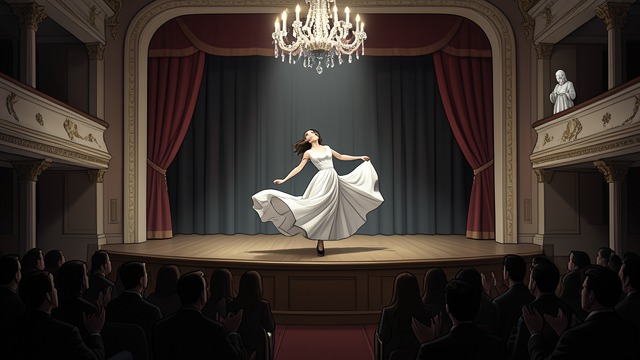
The Theatrical Death
Performance
The coven stages a mortal woman’s murder as entertainment.
Audience
Human spectators accept the violence because it is framed as art.
Question
Louis begins to ask whether presentation can disguise moral reality.
The Offered Victim
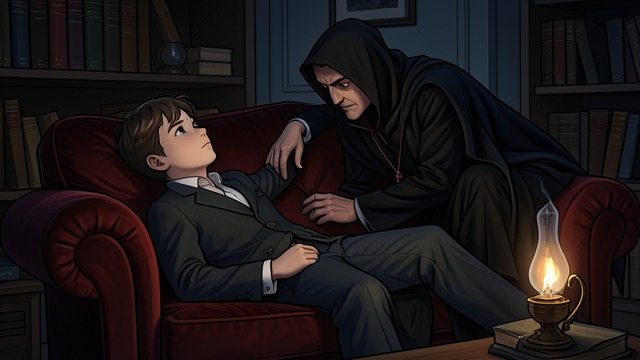
The Offered Victim
Gift
Armand presents Denis as a willing human companion.
Seduction
The boy’s consent and awareness make the encounter more intimate than ordinary predation.
Burden
Louis realizes that consciousness can intensify rather than remove violence.
The Artist’s Studio
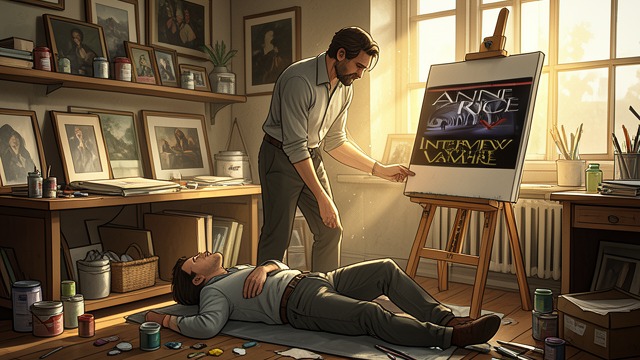
The Artist’s Studio
Encounter
Louis follows a painter into a warm room filled with living color.
Killing
He drains the artist while studying the mortal portrait made of him.
Paradox
The painting preserves the artist’s perception even as Louis destroys its maker.
The Portrait of Appetite
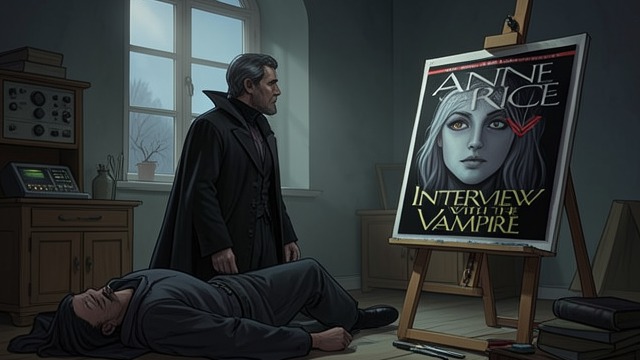
The Portrait of Appetite
Recognition
Louis sees that the artist captured his hunger without horror.
Shame
The portrait becomes evidence that the Vampire’s beauty can conceal predation.
Transformation
Louis feels briefly mortal through the artist’s blood, then recognizes the monster returning.
The Divine Predator
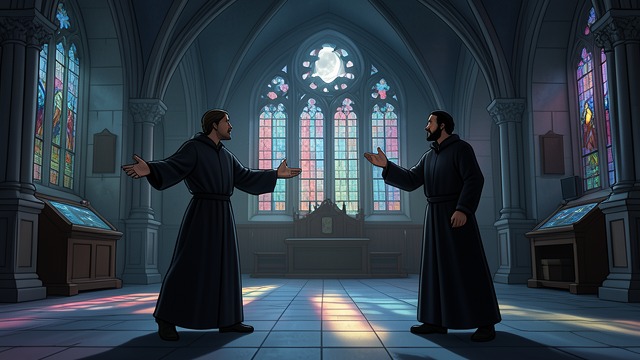
The Divine Predator
Claim
Lestat describes the Vampire as an instrument of conscious death.
Counterclaim
Louis rejects the idea that killing becomes sacred merely because it is inevitable.
Legacy
The disagreement remains unresolved because both Vampires experience the same act differently.
Louis’s first night at the Théâtre des Vampires
during Armand’s first private gathering
during Louis’s solitary wandering in Paris
immediately after the studio killing
during Lestat’s argument about Vampire nature
